A Shi’i Muslim classmate effortlessly taught me about the Beatles on a bus ride home. Looking back, I suppose I had compressed him into an image of a devout Muslim who I knew had studied with an ayatollah in Iran. Music played by Paul, John, George, and Ringo, after all, was typically forbidden by religious scholars.
A Sunni Muslim grabbed my hand to protect me from a hostile crowd after a conference in Safi, Morocco. A week later, one of his Facebook followers broadcast a beheading live on my friend’s page. He denounced it. To one Muslim, shariah meant protecting me. To another, it meant justifying harm.
Shariah in Everyday Life
Shariah is the most comprehensive concept in Muslim life, covering worship and social life, yet it is not a standardized legal code. As a tradition, shariah is a 1,400-year internal conversation—and debate—among learned men on how to interpret the Quran and sunnah. Many Muslims go about their lives without hearing or heeding the guidance of a trained scholar. The big question is: who decides how others live, and by what authority?
While I have had challenging interactions with puritanical Muslims and political Islam, most of my experiences have been with Muslims who rarely make the news and who challenge my assumptions of Islamic uniformity. And I have seen too many hammers that treat every discussion of shariah as a nail, and too many people who see no nail at all.
Muslim Saints and Shrines
In 2019, in the small town of Beejaad in central Morocco, I spent a long day at a conference, sharing about my faith. It was held next to the shrine of the saint who founded the town, where Muslims were praying, some visibly and others more discreetly. One man in particular shielded himself behind the tomb and out of sight, with good reason.
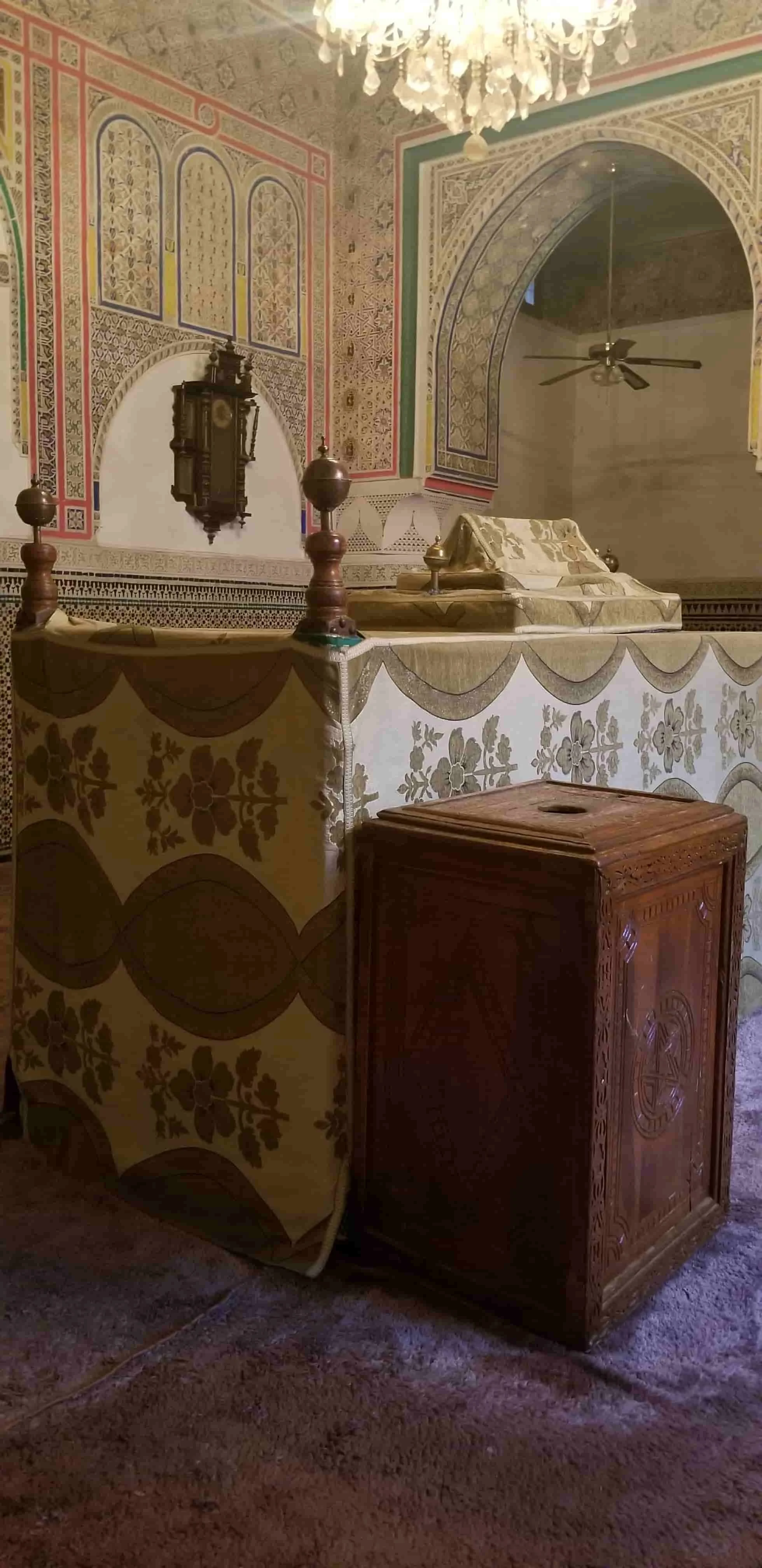
The tomb of Sidi Muhammad al-Sharqi, founder of Beejaad, June 2019. Photo by the author.
The prying eyes of other Muslims might see such prayer as forbidden, a sin punishable in the afterlife at the least, and potentially even a cause for edging him out of Islam. Praying at a tomb, though, has been a major part of Islamic practice for over a millennium. It is an opportunity for a dead saint to transfer his blessing, called baraka. Classical legal scholars rarely considered such devotion forbidden, and many even permitted or recommended it as part of walking faithfully in Allah’s path. Though Morocco endorses it, religious tension is heavy. It leads back to the question: who decides what shariah is and by what authority?
The tension over tomb prayers is one of countless issues that divide Muslims. The divide took on a life of its own due to Salafi scholars who led a kind of restorationist movement to return Islam to the original path of its first generations, the salaf. The movement gained momentum as the Saud family implemented it and spent heavily training a new generation of spiritual leaders. Shariah to one group is not shariah to another.
The vast diversity within Islam was expected, as the stewards of shariah struggled to discern Allah’s law. Now, however, extremist and puritanical groups refuse diversity and denounce Muslims who pray at tombs as innovators who have gone off the well-trodden path. For this reason, a close friend, a devout Muslim who teaches me Arabic and opens his home to my family, refuses to visit Sunni American mosques. He knows that Muslims like him could be considered mushriks, the Arabic word for those who attribute partners to Allah, such as a long-dead saint. It is also a pejorative sometimes used for Trinitarian Christians.
Hospitality and Music in Islam
After the conference, we were invited to a Moroccan official’s house. We entered what looked like a rundown neighborhood, walked down a corridor lined with locals into an ornate room with a buffet at its center. As honored guests, we were served first. After we had our fill, the locals were invited to eat, too. The invitation showed hospitality toward us and charity toward the locals. In both cases, the host was living by shariah.
After dinner, the tables were cleared, legless chairs were set on the floor, and before I knew it, we were witnessing a Sufi chant, called a remembrance (dhikr). The leader belted a beautiful note and began chanting, and others joined in, increasing the intensity over about an hour. A server came around with incense, swinging it like a censer at a Catholic Mass, toward the worshippers, who wafted it onto themselves and appeared to enter a trance. Such devotions are frowned upon by many Muslims, especially Salafis, who consider group chanting an innovation and music forbidden.
Muslim Women and the Hijab
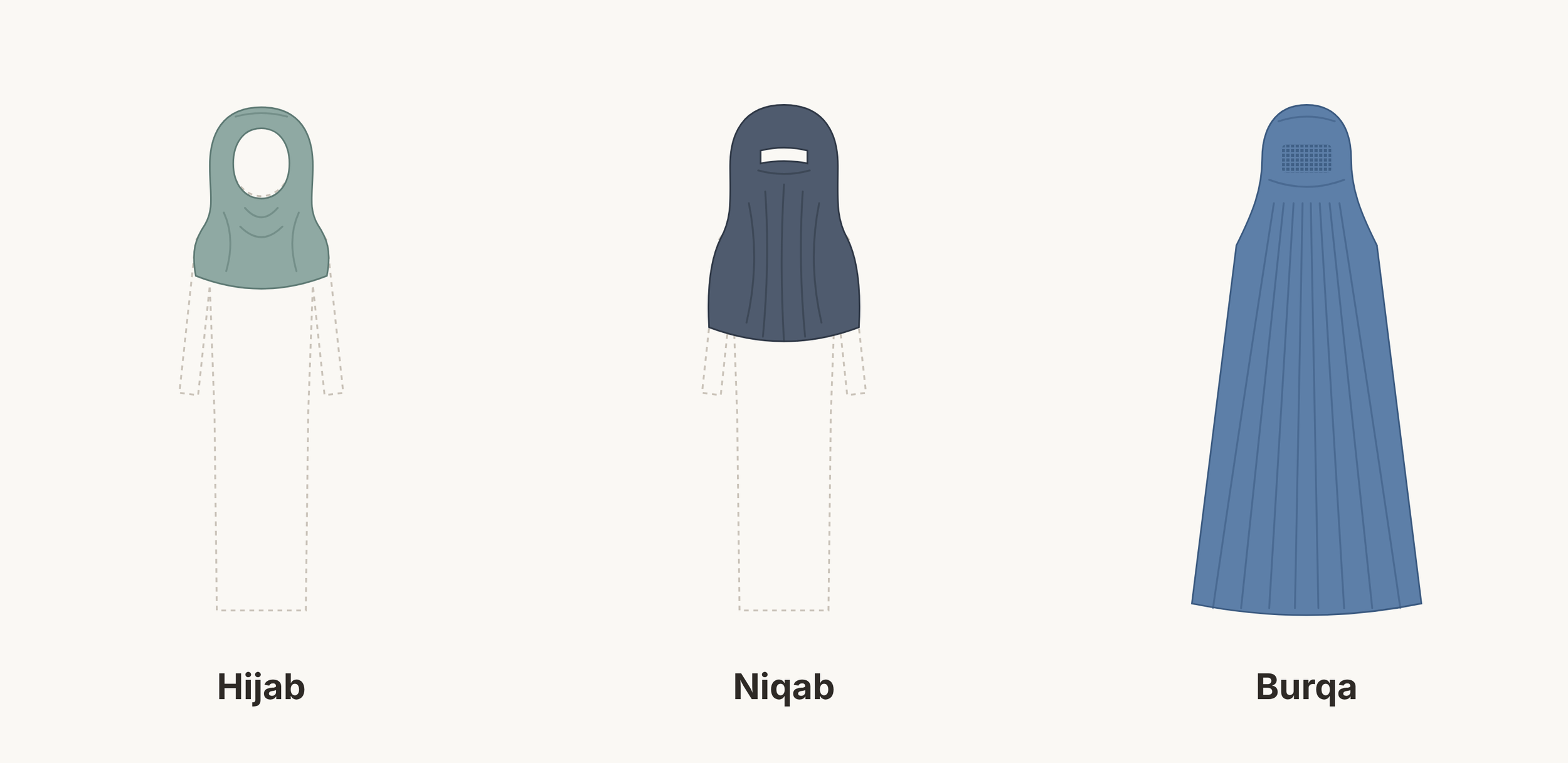
The debate about women’s dress codes has become a battle over what it means to be Muslim. As I waited in line with my daughter to see the Hagia Sophia in Istanbul, hundreds of Muslim women in hijabs wore form-fitting jeans. Their hijabs covered just below the shoulders but no further. Once inside, one woman refused to veil and was escorted out. Later that day, on a boat ride, my daughter asked a young woman why she wore the hijab. “Because I think it makes me look beautiful.”
Who decides if wearing the veil makes a woman more Muslim? No doubt, classical Muslim consensus held covering the hair down to the shoulders to be an obligation. My first teacher of Islamic law argued that the purpose of veiling was to differentiate free and enslaved women, and with that social order now gone, so too the obligation. He added that he would defend women’s freedom to do either.
Islamic Law and the Law of Christ
There is not a unified way for Muslims to follow Allah’s path. Some chant and pray at tombs. Others call it misguidance. Some wear head coverings. Others do not. Whether that makes them pious, sinful, or apostates depends on who is asked.
Christians follow the law of Christ and walk in the Way, but the steps we take vary. I recently stayed with the Benedictine monks of St. Anselm’s Abbey in Washington, D.C., where silence is the standard and the Eucharist is given to Catholics. As a Protestant, I am excluded. Christian traditions draw such lines, too. But they welcomed me to pray with them nonetheless. At midday prayer a monk chanted part of Psalm 119: “Deal bountifully with your servant, that I may live and keep your word” (Psalm 119:17, ESV). Then the other monks and I responded: “Open my eyes, that I may behold wondrous things out of your law” (Psalm 119:18).